
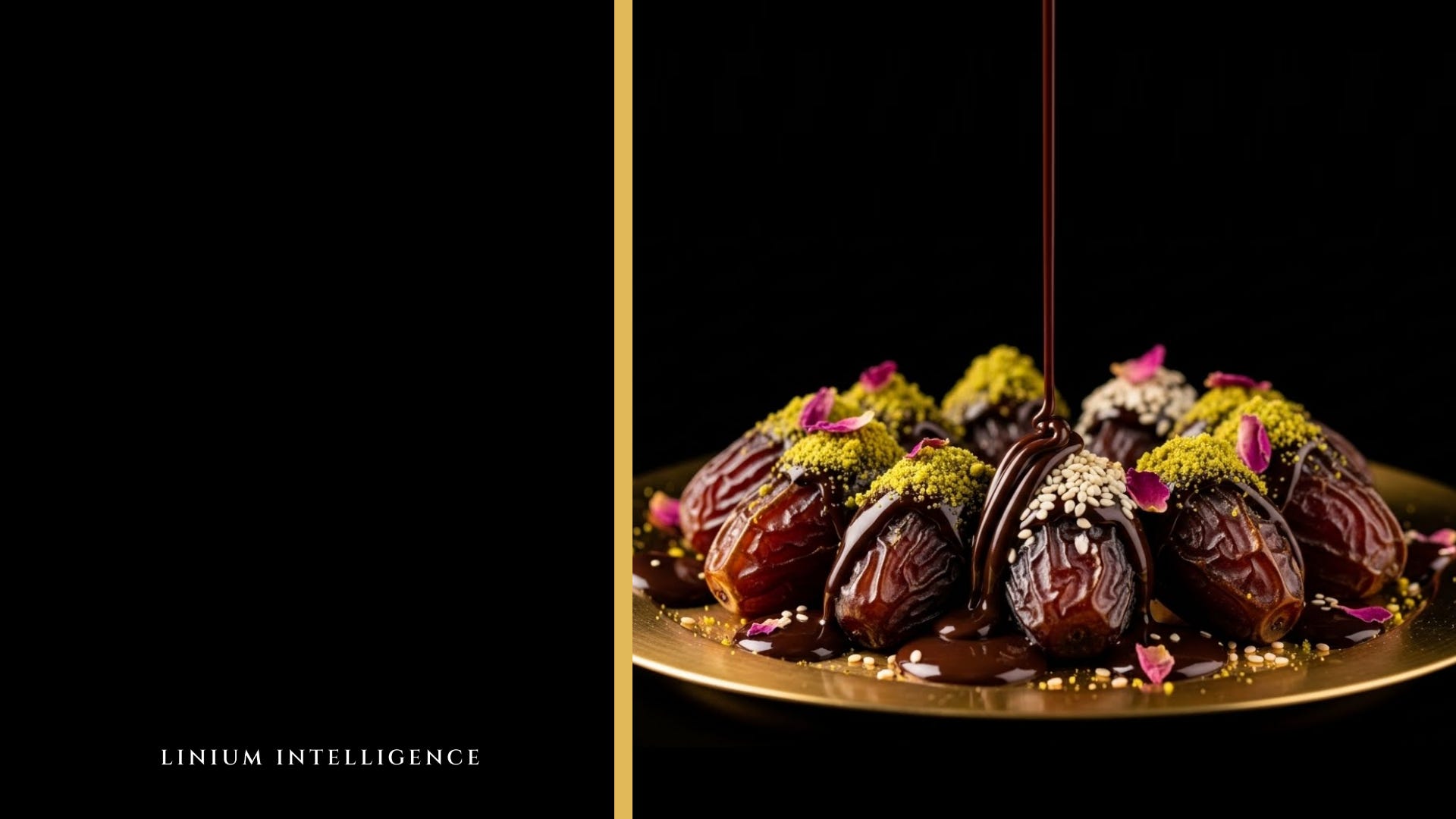
A confluence of global health-consciousness, a desire for natural sweetness, and the skyrocketing popularity of Middle Eastern-inspired flavors suggests that the humble date could be poised to transition from a traditional pantry staple to a formidable contender in the premium confectionery landscape. Recent product launches across Asia, the Middle East, Europe, and the US indicate a rapidly accelerating trend: chocolate is finding its new muse in the caramel-rich, naturally fibrous fruit.
Market activity and product offerings in the date chocolate space, while currently minor, raise an important industry question: is the date, through its unique nutritional and cultural positioning, poised to grow into the next major flavor pillar, ready to join the ranks of globally-adopted ingredients like matcha and pistachio?
The Global Flavour Voyage: Dates Enter A Growing International Arena
The chocolate confectionery space is witnessing a growing distinct appetite for global and regional specificity, moving beyond classic European and American flavor profiles. Brands are seeking to capture the allure of international travel and local culinary phenomena by launching destination-inspired chocolate. For example, the success of the viral “Dubai chocolate” has paved the way for other geographically inspired luxury confections. Leading brands are capitalizing on this cross-cultural curiosity:
Lindt recently launched the Tokyo Style Chocolate in Germany, an exclusive, strictly limited-edition bar combining white chocolate with matcha, fruity strawberry pieces, and crispy toasted Genmai, a clear nod to premium Japanese ingredients.
In Turkey, Godiva debuted a signature chocolate inspired by Istanbul, featuring a blend of velvet chocolate, crunchy, velvety baklava pieces, and hazelnuts. Similarly, Ülker introduced Chocolate Istanbul with hazelnut cream and crispy kunafa.
Even the Swiss chocolatier Läderach which launched a FrischSchoggi Dubai variant, directly referencing the virality of the Middle Eastern-inspired treat, also launched a new FrischSchoggi Zurich milk chocolate with apple, strawberry, and raspberry-blackberry yogurt.
SN’AAP introduced an Abu Dhabi-inspired chocolate bar, featuring local flavors and ingredients notably tahina and dates, elevated with spices fit for royalty including saffron and cardamom.
This trend provides a strategic opportunity for dates to gain visibility by aligning with the momentum of other globally sourced flavors. The date benefits from this broader trend of seeking authentic, high-end flavors from the Middle East—a region currently dominating the discourse in luxury confectionery. Furthermore, the date’s natural sweetness and fiber content align perfectly with the prevailing consumer shift toward mindful indulgence, offering a unique dual appeal that could fuel its growth.
Industry Trends And Brand Activity In Date-Centric Confectionery
Natural sweetener revolution: Brands are actively replacing refined sugar with dates to align with “no added sugar” and “clean label” consumer demands, positioning the date as a healthy alternative. Examples: Zadina launched a collection of chocolate bars including a pistachio-kunafa chocolate bar, naturally-sweetened with dates and no refined sugar. Similarly, Beyond Good introduced a 100% cocoa, no sugar added Dates & Sesame bar, and Vivani launched a ‘Dark Date Sugar’ line, using “the natural sweetness of ground dates.
Harnessing Middle Eastern flavor authenticity: The global success of the “Dubai chocolate” trend has created significant appetite for authentic Middle Eastern ingredients, with dates serving as a core, culturally-rich component. Brands are responding with some highlighting dates. Bateel introduced its ‘Dubai Date Chocolate’ crafted with premium organic Segai dates and pistachio kunafa, directly referencing the phenomenon. SNA’AP Chocolates celebrates the heritage of Abu Dhabi by building a flavor profile around “Tahina and dates” alongside saffron and cardamom.
Textural innovation: A significant portion of the activity focuses on the date itself as the centerpiece, utilizing its unique chewy, plump texture when enrobed in chocolate. Cocoraw offered a range of limited-edition chocolate-coated Medjool dates with various fillings (caramel, Hazelnut, Orange chocolate) for Ramadan. Forest Feast debuted chocolate coated dates, while Zotter’s “Sweet Fruitsies” featured organic dates enveloped in a pure 100% cacao couverture.
Flavor fusion with global confectionery: Dates are being used as a platform to merge traditional Middle Eastern profiles with established Western confectionery concepts, creating hybrid luxury products. Innovations that stand out include Elate Chocolates & Dates’ Ramadan flavour, Mahlabee محلبي, combining dates with a classic Mahlabee profile of crunchy pistachio filling, wrapped in creamy white chocolate delicately infused with saffron. Manam Chocolate introduced caramelly Medjool dates with dark chocolate walnut fudge, marrying the date with a dark fudge-based confection.
Pistachio-date synergy: Pistachio, a major flavor driver of the “Dubai chocolate” trend, is becoming a popular pair to dates, solidifying a popular and luxurious flavor combination. Buono Qatar launched ‘Kunafa Date Bites’ filled with pistachio cream and dates. Bateel’s ‘Dubai Date Chocolate’ features rich pistachio kunafa alongside the date. Zadina continues this emphasis with its new kunafa-inspired bars, where the core remains the rich, date-sweetened pistachio kunafa.
Everyday snacking and health-focused formats: Dates are entering the mainstream snack aisle in formats designed for daily, guilt-free indulgence, moving beyond the luxury gift market. Joydays launched Date Bark boasting a healthy yet appetizing list of ingredients including chewy dates, rich chocolate, creamy nut butter, crunchy roasted nuts and sprinkled with sea salt, with no added sugar, and dairy-free, positioning the product as a permissible, healthy snack.
Adding a chocolate twist to regional tradition: Dates are a quintessential staple of the Iftar meal during Ramadan and are central to the celebration of Hari Raya (Eid al-Fitr) in the Middle East and Southeast Asia. Chocolatiers are capitalizing on this strong, existing cultural association by adding a modern chocolate layer to this ancient tradition, solidifying the date’s association with premium, celebratory treats. Vochelle Malaysia brought back a limited edition dates chocolate for Hari Raya. Elate Chocolates & Dates introduced a new Ramadan flavour - Mahlabee - directly connecting the date to the religious and cultural occasion by offering a sophisticated, chocolate-based seasonal indulgence.
Spice and aromatic pairing: Chocolatiers are experimenting with deeper, complex aromatic spices often found in Middle Eastern and traditional desserts, using the date’s caramel undertone as an anchor. Mirzam pairs dates with the complex aromatics of “Figs & Star Anise” and “Pomegranate” in two new 65% Dark Chocolate bars. Gnaw Chocolate’s ‘Spiced Apple Strudel’ bar integrates cinnamon, date, and apple flavours to evoke the traditional Alpine dessert profile. SNA’AP Chocolates uses dates with saffron and cardamom and tahini for its Abu Dhabi-inspired bar.